The next time you’re riding the bus, take a moment to look at your fellow riders. You may even recognize a few: maybe the passenger who has a similar work commute or someone who shares your stop.
Now, take a moment to ask yourself: who is missing from this picture?
A seat for everyone
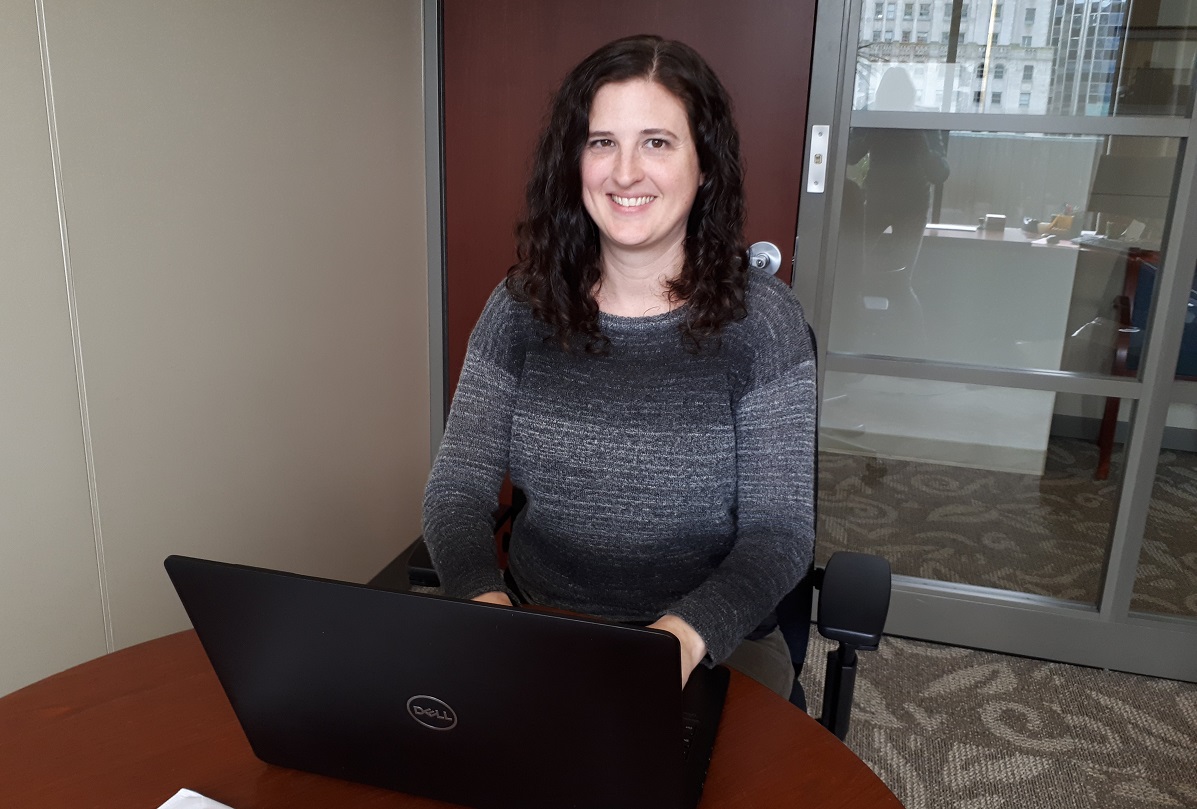
Viveca Ellis thinks a lot about this question, in particular through her work with BC’s Poverty Reduction Coalition (PRC) and Vancouver’s Single Mother Alliance (SMA).
“We see who is on the bus, but we don’t see who is not on the bus,” she says. “Many women and children living in poverty have zero access to affordable transit options, particularly here in the Lower Mainland. This means they are not able to get to school or job interviews, or access food banks and other community resources. It has a tremendously negative impact on their lives.”
A solution to these challenges is what is driving her public policy project with United Way’s 2018 Public Policy Institute.

Similar programs are already in place across Canada and the United States, including in Calgary and Toronto.
“We’re not advocating for the same systems as these cities,” explains Viveca, “but we’d like to see things progress beyond the current system which discounts seniors and students only.”
A province-wide problem
For the past three years, she and her colleagues from the SMA have travelled the province and conducted interviews with women and children who lives are impacted by poverty.
“We asked them: what is impacting your life right now? What changes would make the biggest difference in your life? How would you like to be involved with bringing those changes about?”

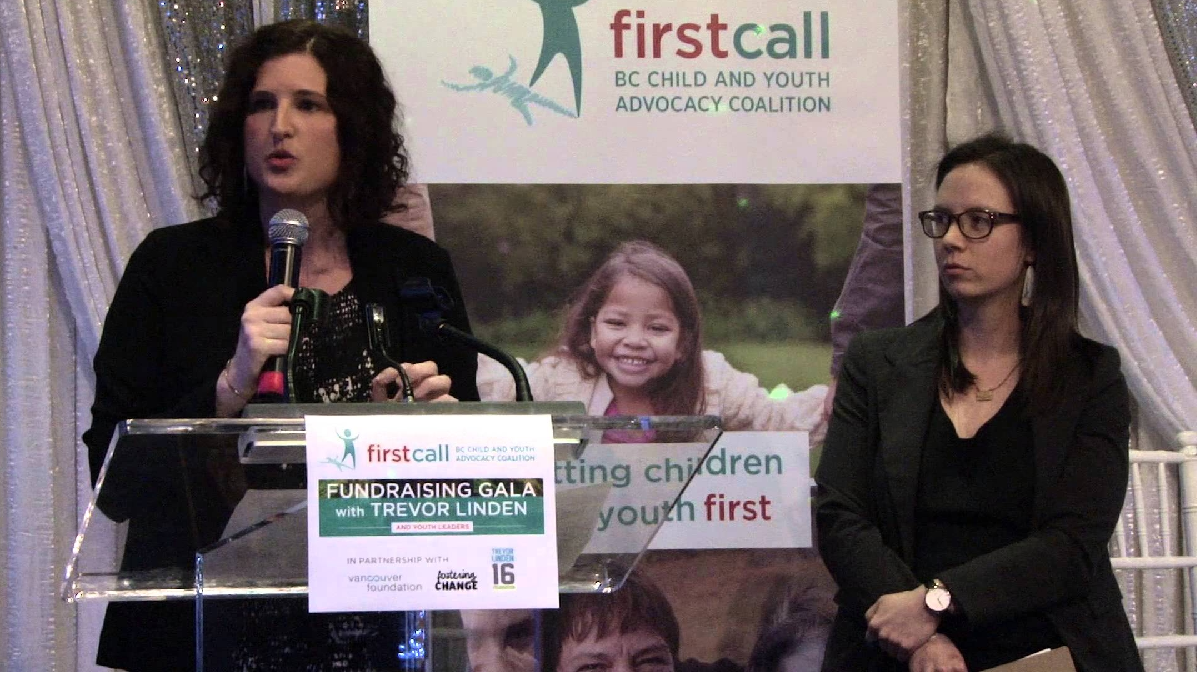
Viveca speaking at the 2016 First Call gala dinner. Photo credit: First Call.
The answers they collected reflected universal, essential solutions to the challenges they face every day: childcare, housing and access to legal aid. Transit also came forward as a primary issue for all respondents, no matter where they were located in the province.
“It was from this information that we began working on our campaign,” says Viveca. The efforts included partnering with a broader coalition of organizations, also working on transit affordability.
The public policy solution
Working with and learning from the Public Policy Institute experts has been instrumental in helping Viveca and her group identify and implement the steps required to meet and execute on their goal.
“Picture it this way,” she explains. “You have a passion for change and a clear recognition of what needs to happen – but you’re unsure of how to map your way forward. PPI has helped us get there.”
The Institute also offered her a golden opportunity: a chance research the most effective cost, impact and payment strategies to help people in need, and then incorporate her learnings into a realistic and implementable solution.
“I was also able to ask, ‘To whom do we need to advocate to get this done?’ With transit, there is a complexity around funding – whether federal, provincial or municipal – so understanding when to go to say, the mayor’s council and when to go to Translink, is important.”
How did all of this come to be? Viveca was nominated to take part in PPI by Vancity .
The financial organization supports her work with the PRC and is also the premier sponsor of United Way’s Public Policy Institute.

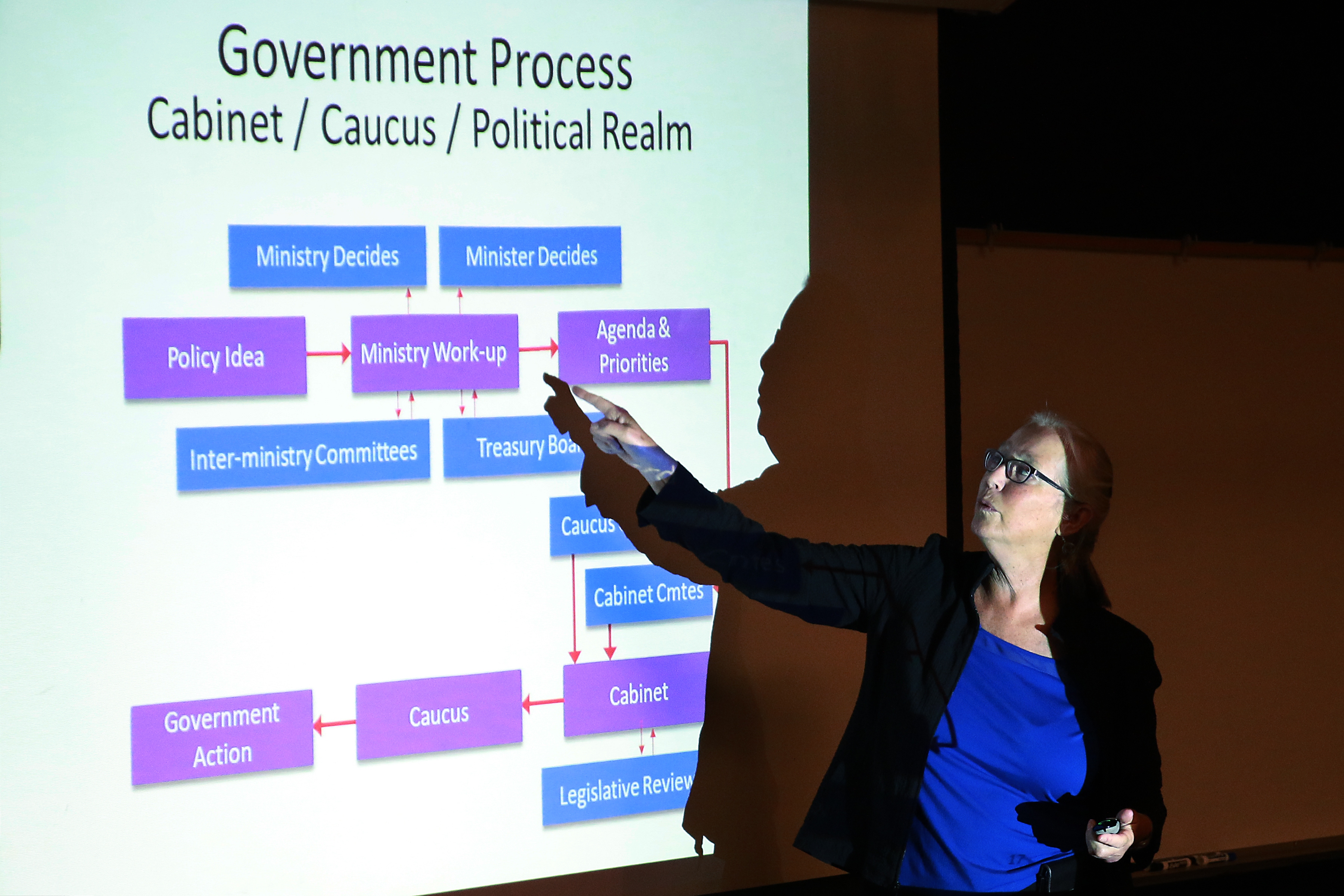
Inside the PPI classroom.
“Empowering and championing new policy makers is important,” says Catherine Ludgate, Manager of Community Investment at Vancity.
“We believe that we must all work for systemic change to address the critical social and environmental imperatives of our times. It is not simply not good enough to address symptoms of structural problems through charitable initiatives. We must work for justice and equity and we achieve those through better public policy.”
This support is paramount to Viveca’s work, and mirrors her approach to social change.
“I believe in public policy solutions to ending poverty. The transit campaign and the solution that I’m working on is a step towards establishing a universal basic service that will reduce inequality across the board.”
The power of partnership
Viveca is also inspired by the work being done by her PPI cohort.
“The opportunity to learn what other people are working on in their sectors has really contributed to my own development. I see the issues that are affecting them and their groups and I also see where my ask fits in with theirs. Networking is so important and these relationships we’ve built will be essential going forward.”

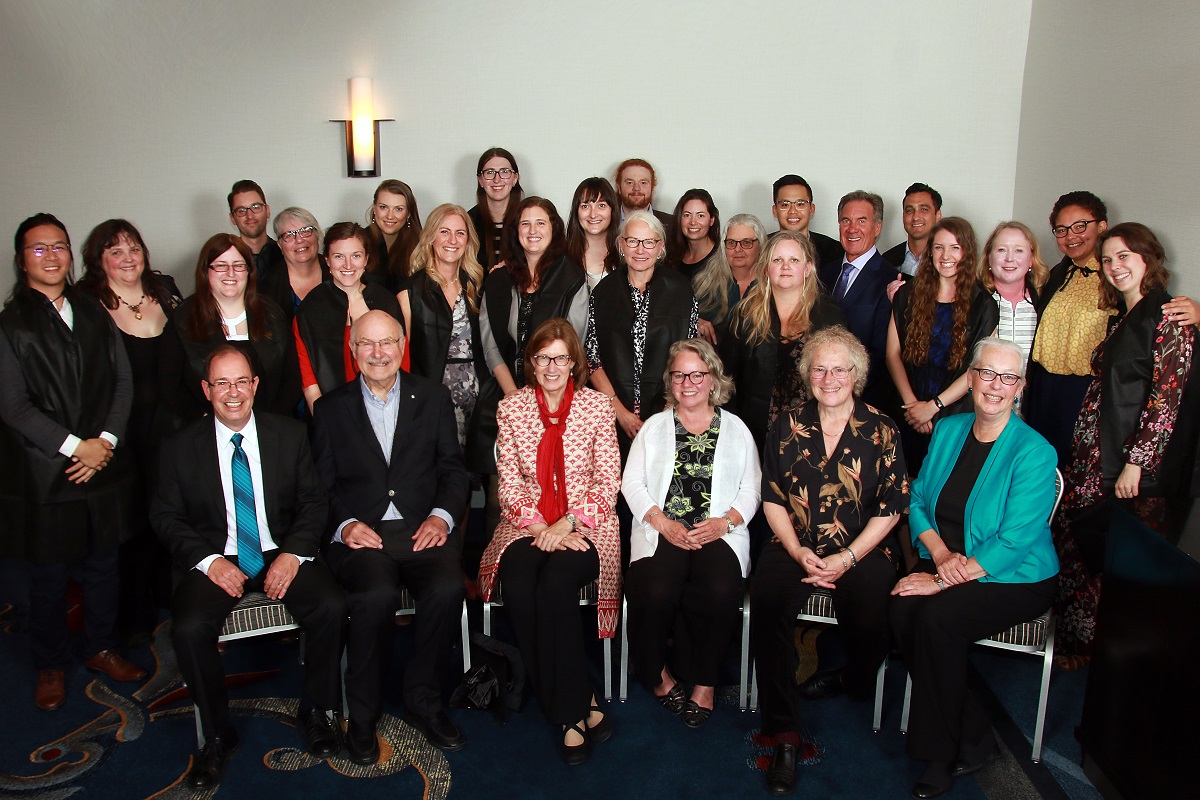
The 2018 PPI graduates and educators.
As she and her class prepare for their next steps, post-PPI graduation, she’s excited for the momentum building around her project.
“We want a system that is fair for everyone. Communities that can access everything they need – be it food, school, work, parks and public spaces – are healthy and strong communities.”
It’s a vision of community we are excited to get on board with.
Interested in public policy? Want to know more about how the Public Policy Institute could help your ideas get heard? Connect with us here.