

Too often the greatest problems in our community are the ones we sometimes don’t see.
The senior trapped in their home due to mobility and access issues. The young child who sits too quietly at the edge of the playground instead of playing. The kids who don’t know where to go when the school bell rings at the end of the day. The young people who are working two jobs, but can’t get out of the cycle that landed them there.
Ultimately, we know we can help solve them by engaging people in every community to show their local love. But first, we need to get their attention.
To do this, United Way has partnered with the Pantone® Color Institute to create Unignorable — a colour developed specifically to highlight local issues and bring attention to the millions of Canadians impacted by them.
This colour cuts through the clutter of our busy lives, draws our attention and compels us to act. It’s an invitation to be part of the change by showing love for the places we call home and the people who live here.

What does seniors’ isolation look like in your community? (Custom art created for the project by Malika Favre.)
Most importantly, it helps make the reality of these local issues unignorable.
In our community, seniors’ isolation is an #unignorable issue
Canadians are living longer than ever, but that doesn’t mean we’re living life to the fullest.
As society ages and families become more dispersed, loneliness and isolation are growing concerns for many organizations, governments, families and individuals across our communities. When it comes to local seniors, it’s just their reality. In fact, 25,000+ local seniors say they don’t have anyone to talk to.
And while ‘isolation’ isn’t an illness, it’s a condition that can impact a senior’s physical, mental and psychological well-being.
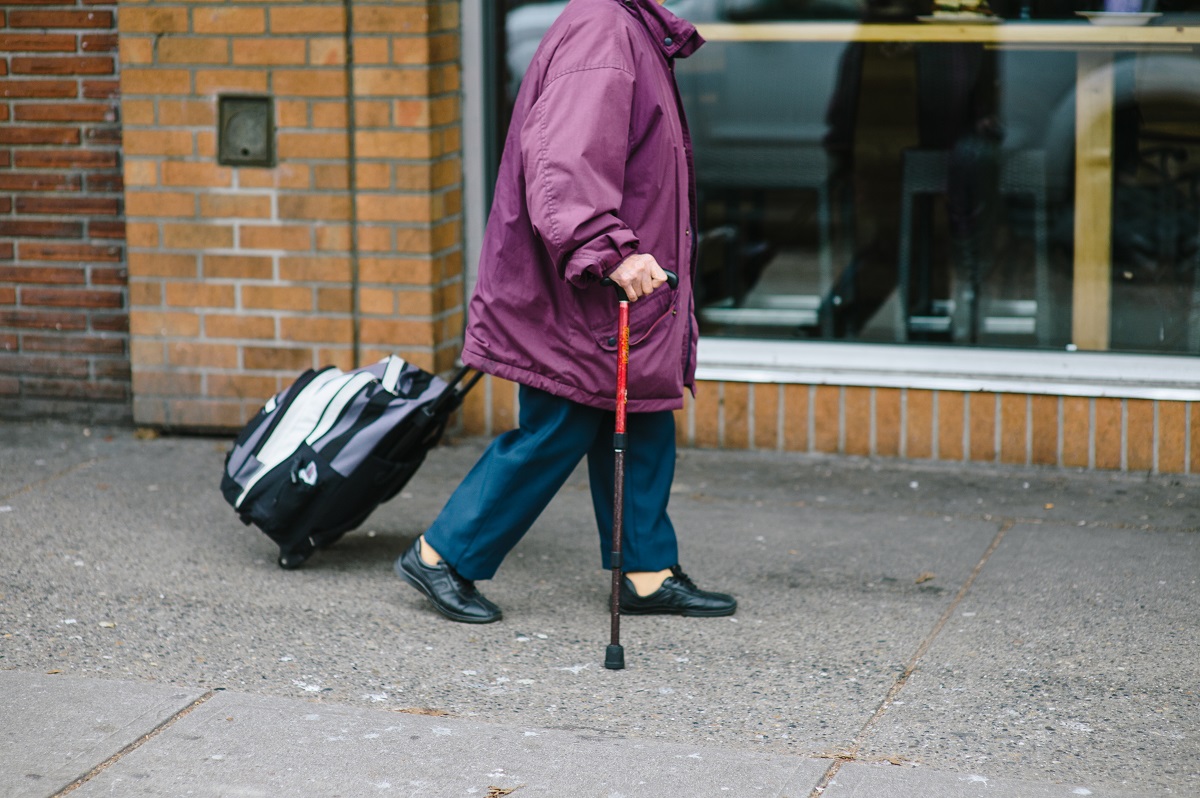
Isolation has a tremendous impact on the health of older adults
“What do we have, if we don’t have a connection?” asks Marlene, a Seniors Community Connector, who helps other seniors access life-changing programming in her East Vancouver neighbourhood. “We have only ourselves.”
Marlene believes that everyone, no matter their age – but especially the seniors she works with every day in her neighbourhood – should be connected vital community services. Services like local home care and transportation, as well as community-building activities, like language, cooking and exercise classes… at the heart of which is often just a chance for one senior to connect with and talk to another person in their community.

What does it mean to have no one to talk to? What would that look like in your life?
And, whether isolation is caused by mobility issues, affordability, lack of access to safe transit, language barriers or other factors, the issue of senior isolation in our community is #unignorable.
Safe spaces help children vulnerable children thrive
Almost 1 in 10 local kids say they don’t think a single adult cares about them. It’s a troubling and lonely reality that makes them more vulnerable to growing up with low self-esteem, puts them at higher risk of bullying and can be connected to childhood depression.

What does it mean to be a vulnerable child in your community? (Custom art created for the project by Malika Favre.)
But, by showing these kids what local love can look like – and supporting them through vital after-school programs – they can make the kind of life-saving connections with mentors and friends that will help them grow up great.
12-year-old Kieneshia often felt sad and shy coming to school. She felt left out and didn’t believe she belonged.
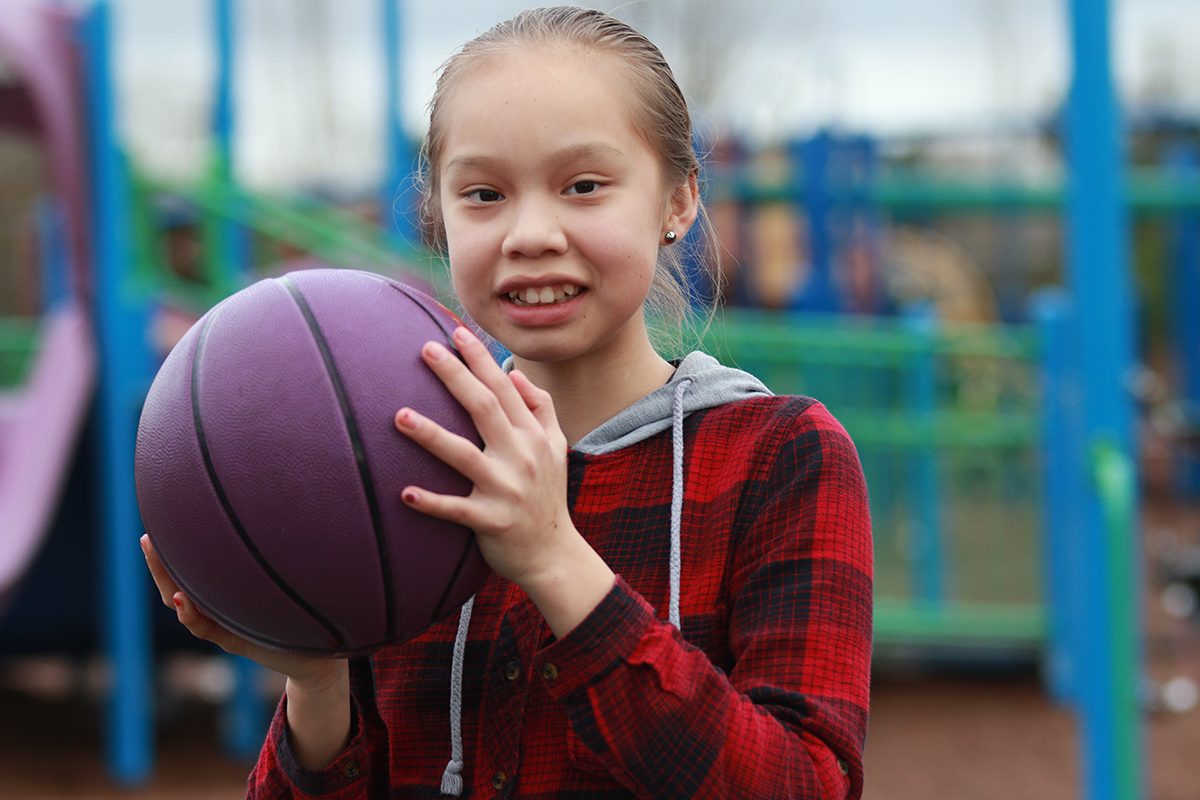 But things have changed now that she’s attending a unique United Way School’s Out program focused on healthy living and leadership.
“As soon as I had friends, I was less shy. And I wasn’t left out,” she says. “It makes me feel really proud of myself,” she says.
Making education accessible for all
Every young person deserves a chance to succeed – and access to education is a big part of helping level the playing field. But, for some, that’s hard to even hope for.
It can be especially true if you’re 19 and a foster child who has “aged out” of government care. Nobody to turn to, nowhere to live and too likely to fall through the cracks. Even with the recent expansion of the government-supported tuition waiver program, former youth in care are still struggling… because they’re often forced to wait in food bank lines or work multiple jobs when they should be studying for midterms.

How can we make education equality a reality in our community? What does it mean to be a vulnerable child in your community? (Custom art created for the project by Malika Favre.)
That’s where a new United Way British Columbia collaboration is making life easier for these hard-working young people: the Youth Futures Education Fund. A fund that’s addressing the #unignorable issue of education inequality.
Unignorable issues – like seniors’ isolation, child vulnerability and education inequality – negatively impact our communities. The #unignorable ad campaign raises visibility on these issues.
By showing our local love, we can work together to change them. Click here to take action today.
Topics : Local love

