No one is ever too young or too old, too novice or too seasoned, to make a difference in their community. Every day across the globe, individuals of different ages, experience-levels and backgrounds work to create positive social change in the spaces they call home.
Take, for example, Malala Yousafzai. At just 11 years old, she began campaigning for education equality for girls in Pakistan. In 2014, Malala became the youngest-ever Nobel laureate.
Or consider Harry Leslie Smith, the self-described “World’s Oldest Rebel.” Harry continued to advocate for anti-poverty initiatives and health care until his death at the age of 95.
Neither Malala nor Harry were politicians, civil servants, lobbyists, or “policy wonks.” Just people with incredible lived experiences, passion and vision. But they did – and still do – influence leaders around the world. Leadership and activism in a community can take many forms, including driving new, innovative and inclusive public policies at different levels of government.
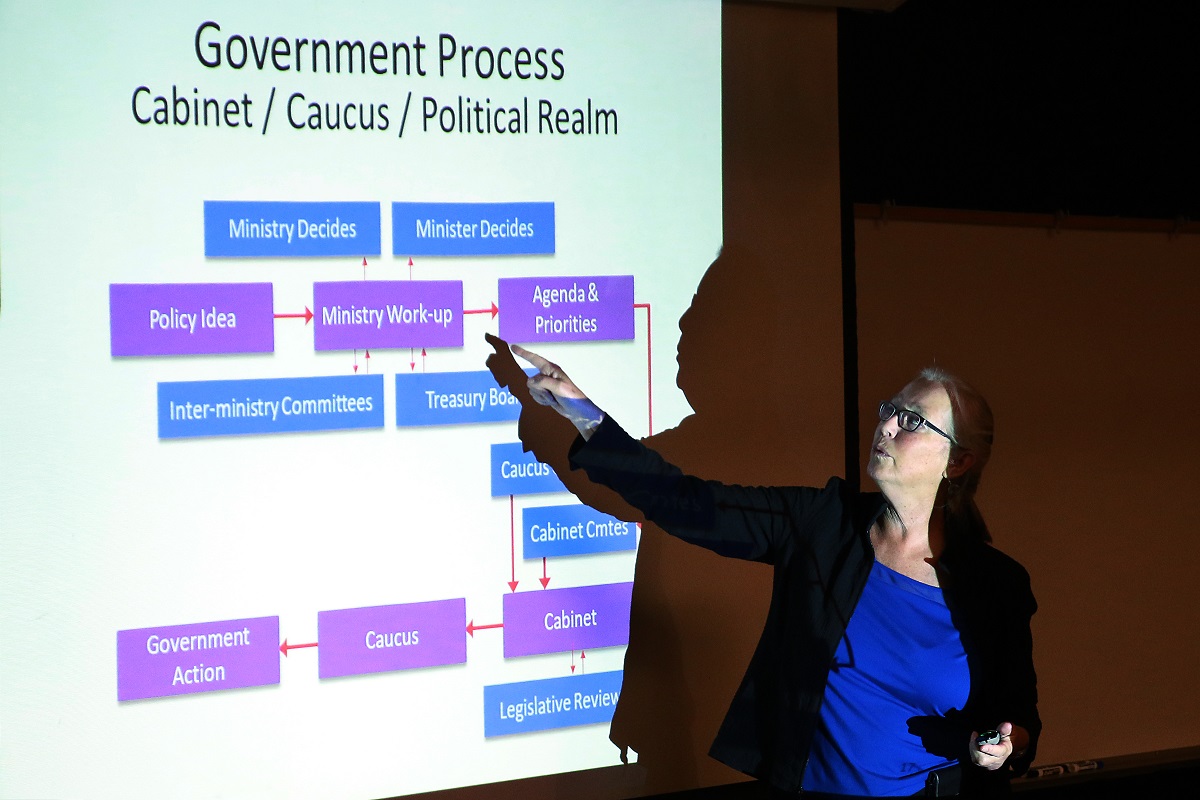
Understanding the different ways to drive policy is crucial for social change.
Grassroots activism can achieve incredible results. When it comes to affecting change on a structural level, however, it’s important to understand which institutions or individuals have the power to help you create the change you want to see in community.
Let’s say there’s a something specific you see making people vulnerable or isolated in your community. You have a great idea – a new or changed policy that could really make a difference in people’s everyday lives. How do you make your case? How do you build awareness and momentum of your cause? Whom should you talk to? How do you get in the door?
Everyone – regardless of age, education, experience or privilege – deserves equal access to the skills, tools and resources to influence the influencers. Everyone deserves a chance to affect change on a large scale. This is what United Way’s Public Policy Institute is all about.
Making policy accessible
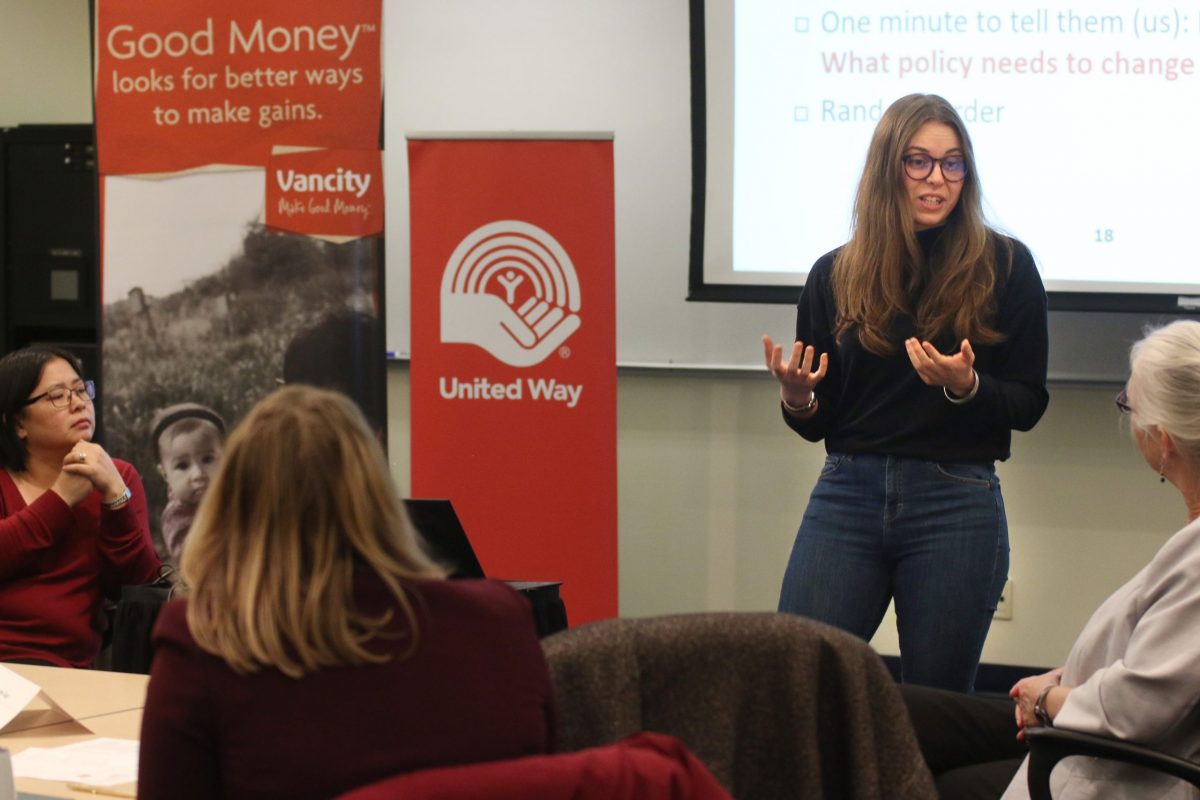
Every year, United Way’s Public Policy Institute (PPI) welcomes a diverse community of 25 individuals from across British Columbia. Together, they learn how to better understand and influence the public policy process in the province.
Members of the 2018 PPI Cohort at their first session
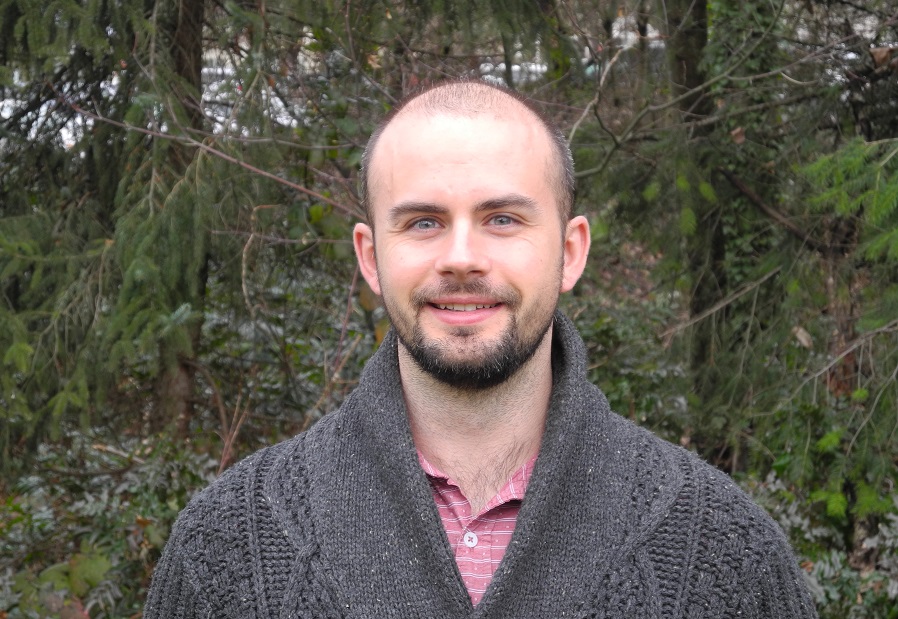
Viveca Ellis was a member of the 2018 PPI cohort. Her project tackled transit affordability in the Lower Mainland, advocating for free transit for youth ages 0 – 18.
Her project was the framework for the current #AllOnBoard campaign, which was recently endorsed by Vancouver and New Westminster City Councils. The City of Vancouver and the City of New Westminster will also be writing to the Mayors’ Council on Regional Transportation, asking it to adopt a mandate that reflects the tenets of the campaign.
Vivica credits PPI for helping her and her partners translate their campaign into manageable steps to achieve their goals.
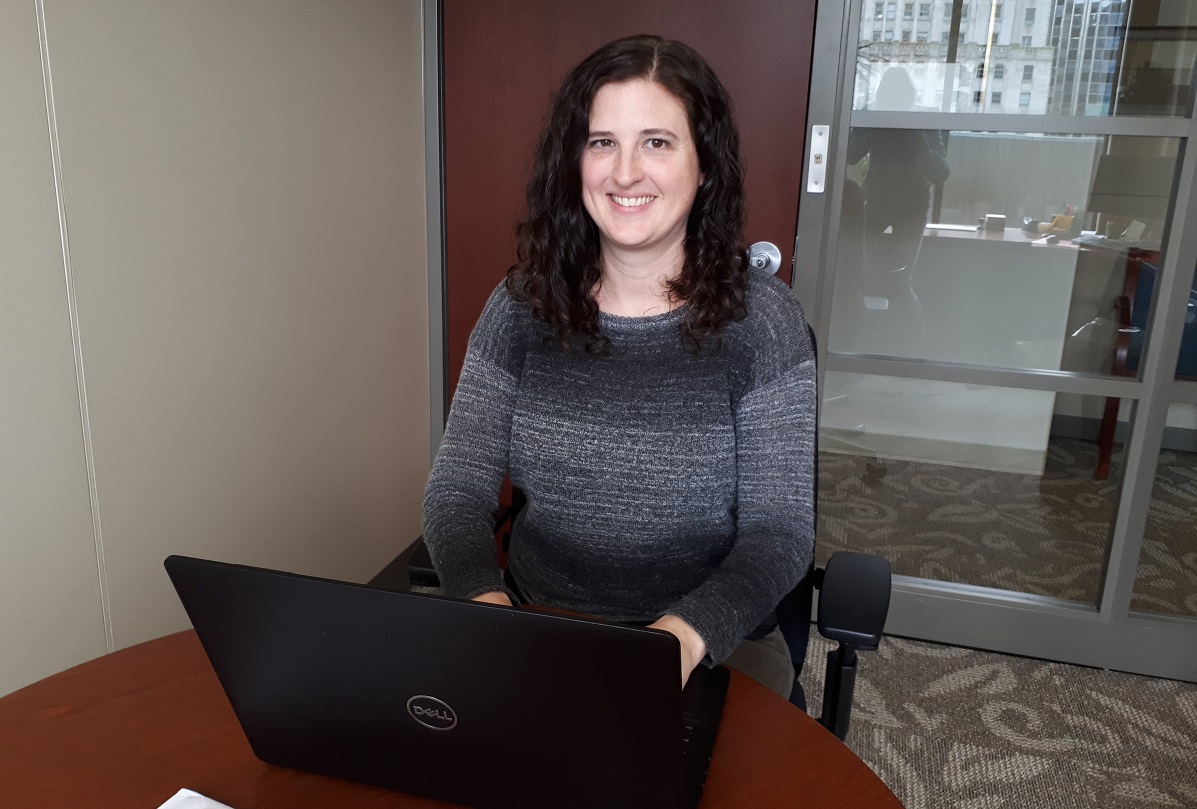
Viveca Ellis
“Picture it this way,” she explains. “You have a passion for change and a clear recognition of what needs to happen. But maybe you’re unsure of how to map your way forward. PPI helped us get there.”
All of the right tools
United Way’s Public Policy Institute runs every year from January to June 2019. The 2019 cohort is now underway. Participants will explore policy options, making their case with compelling evidence, engaging the right people in their campaign, and implementing their strategies to affect change.
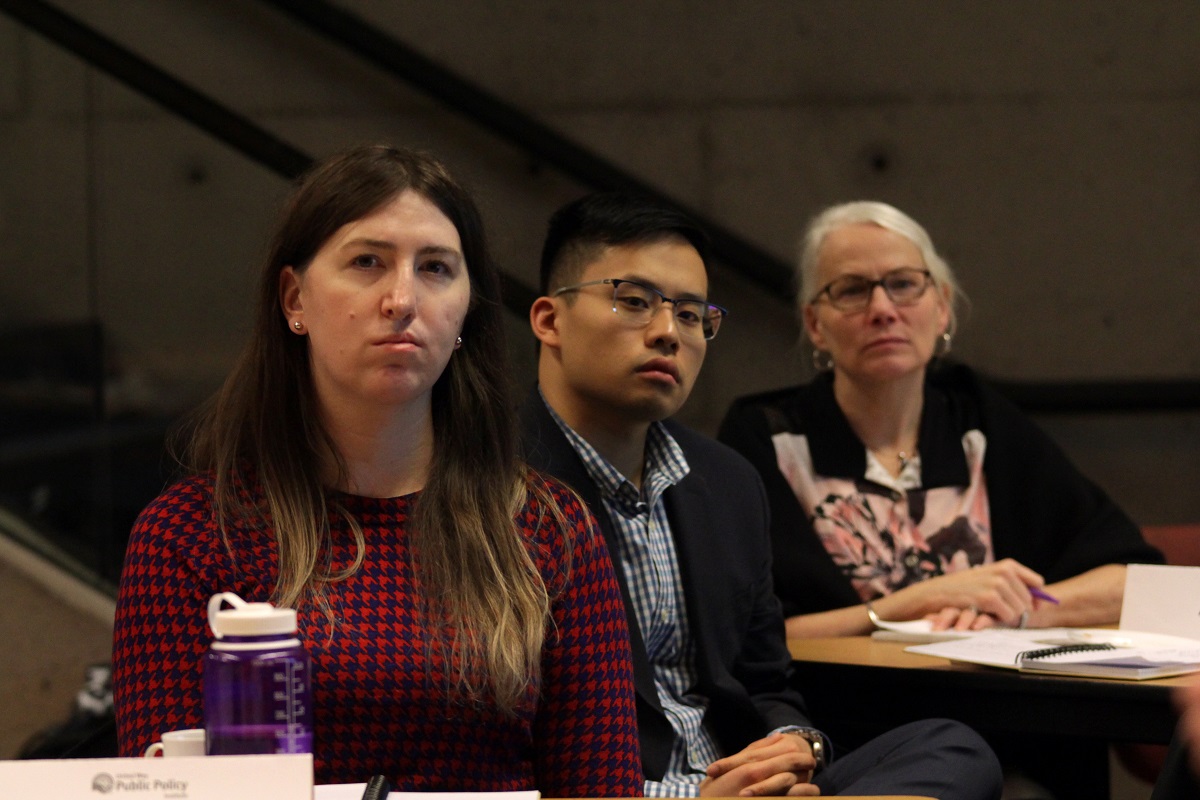
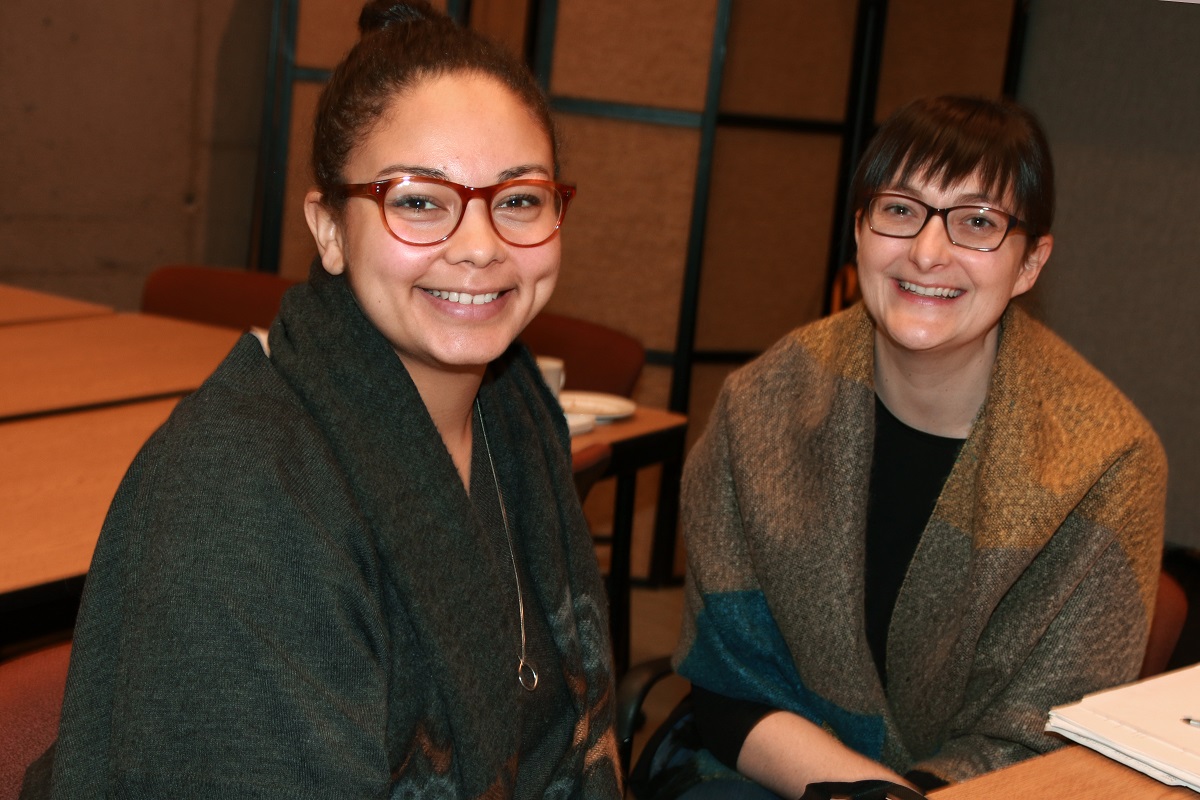
2018 PPI cohort members
Participants will also learn from experts and present their final projects to Institute faculty. Instructors include former premier of British Columbia Mike Harcourt, Brenda Eaton, Elizabeth Cull, Ida Goodreau and Liz Whynot.
Projects to be explored over the next six months span important and unignorable issues in our communities, including: restorative justice, community isolation and engagement, and access to nature and the outdoors for residents of all ages.
Community support
The ongoing success of the Public Policy Institute would not be possible without the support of Premier Sponsor Vancity and Venue Sponsor UBC Robson Square.
“Supporting progressive, comprehensive and systemic change is at the heart of Vancity’s commitment to being a values-based financial institution,” says Catherine Ludgate, Senior Manager, Community Investment. “Our business model is based on reinvestment in our local communities and supporting initiatives such as the PPI. The PPI acts as an incubator for change-makers to both improve their skills and connect to a vast network of like-minded people working for the public good.
Vancity, like United Way, believes that effective and progressive public policy is one of the outcomes of a strong and vibrant civil society.
We’re eager to see the impact this year’s projects will have on our communities, and how they will influence both the current and future generation of change-makers.
“We know that the best way to ensure future public policies are comprehensive, inclusive and thoughtful is to support individuals from the affected communities to be leading the movement for change,” says Catherine.
Interested in public policy? Want to know how to have your idea heard? Connect with us here.
Topics : Local love, Public Policy Institute